The Civil War Nearly Started at Fort Sumter in January 1861 Instead of April
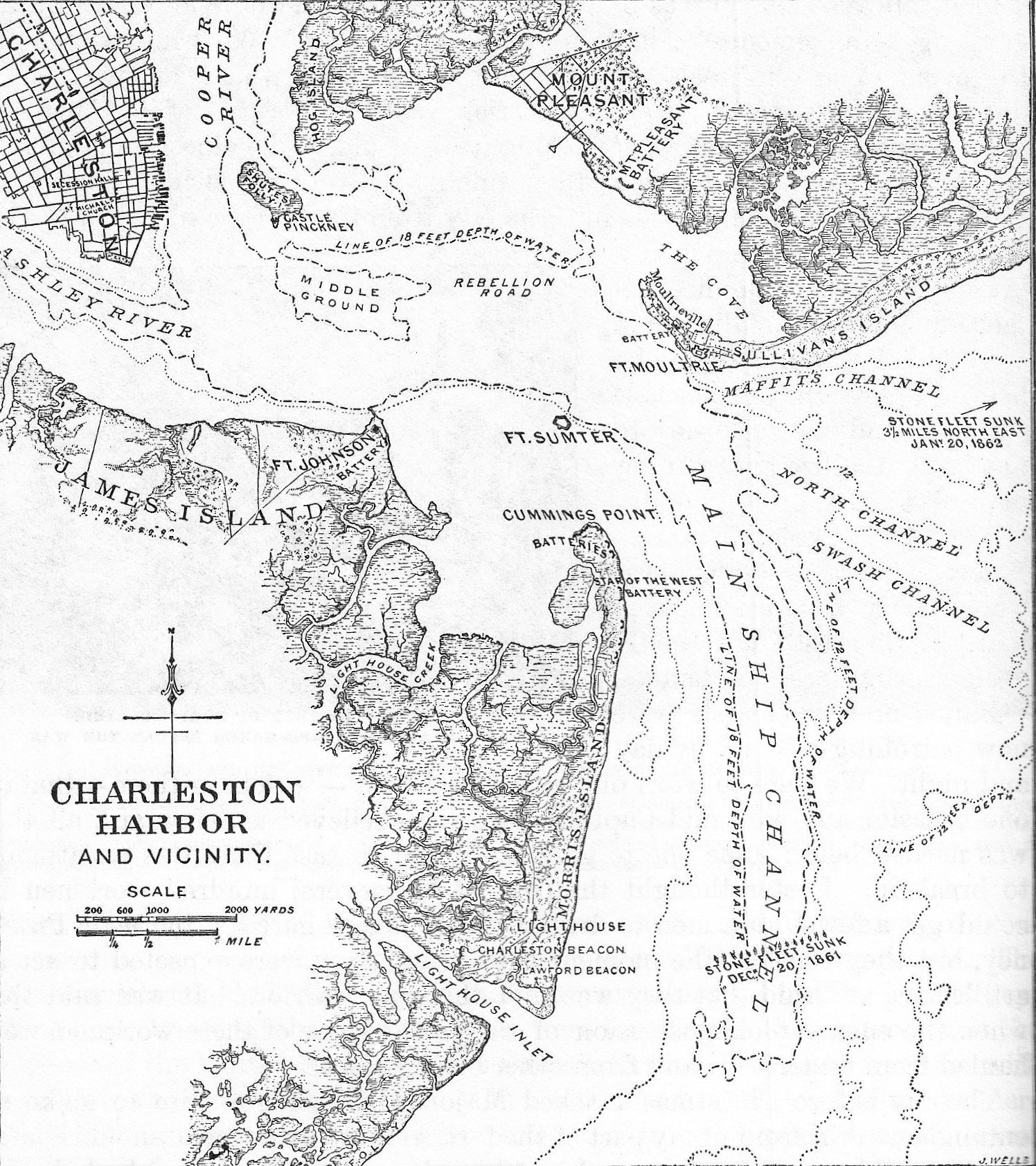
At the beginning of 1861, the United States was inching towards Civil War. South Carolina had become the first state to secede from the Union in December 1860, and the U.S. garrison at Fort Moultrie on Sullivan’s Island guarding the entrance to Charleston harbor had quietly escaped to and occupied Fort Sumter in the city’s harbor on December 26th much to the outrage of South Carolina officials. Major Robert Anderson believed that South Carolina troops were preparing to capture Fort Moultrie and his command, so he deployed to Sumter. The situation was tense.
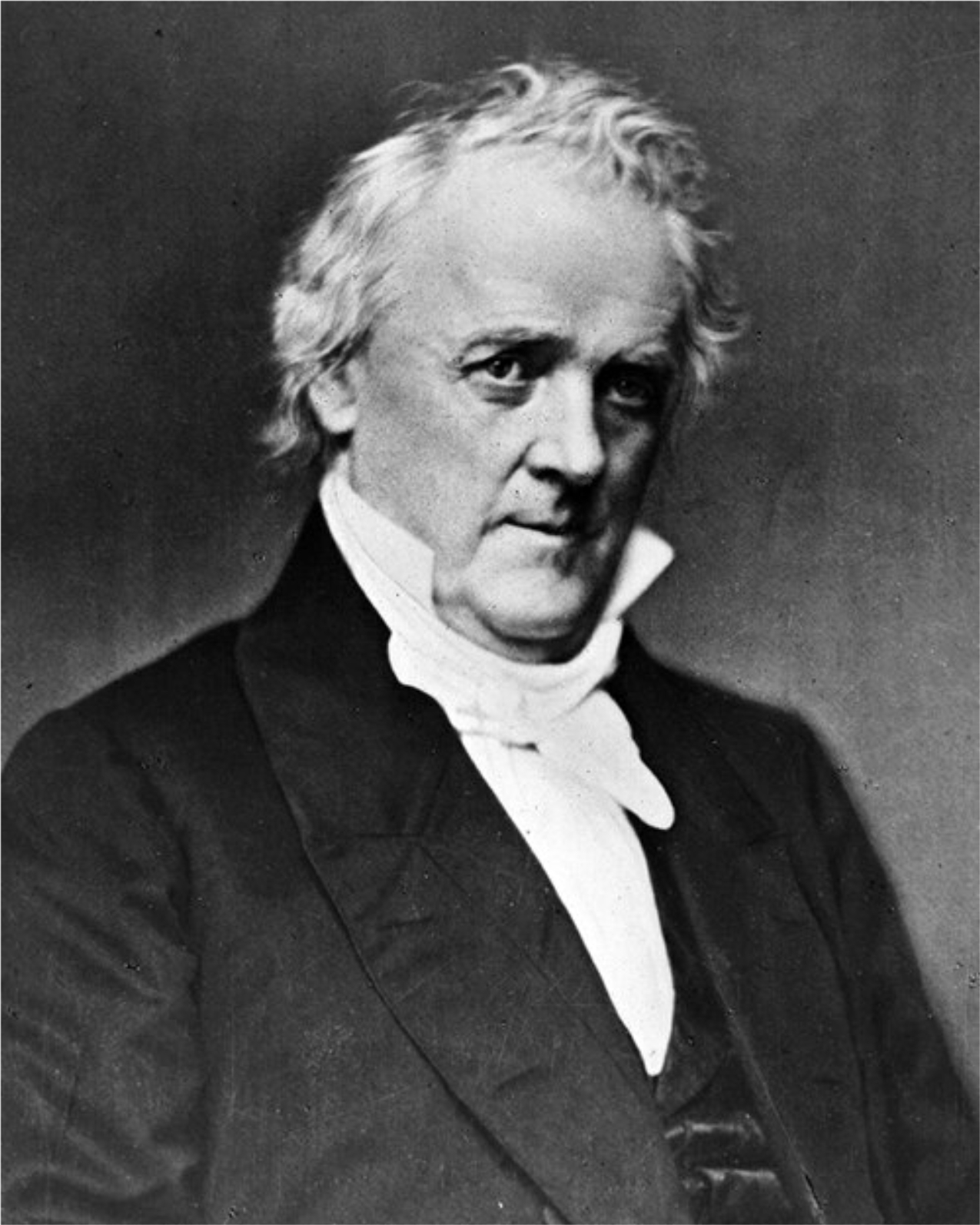
President James Buchanan
It was also tense in Washington DC. Abraham Lincoln would not be sworn in as president until March 4th, and James Buchanan contemplated what to do about Fort Sumter as other states began to vote on secession. He told General Winfield Scott that he would reinforce and resupply Fort Sumter. Buchanan wanted to use the 24 gun warship U.S.S. Brooklyn for this task, but Scott favored using a merchant ship believing that to be less provocative, and easier to keep the mission secret. The steamer Star of the West was chartered for this purpose. The ship was loaded with supplies and reinforcements, and set out from New York on January 5th.
The press found out the true nature of the Star of the West’s mission, and word spread quickly to South Carolina. The ship entered Charleston
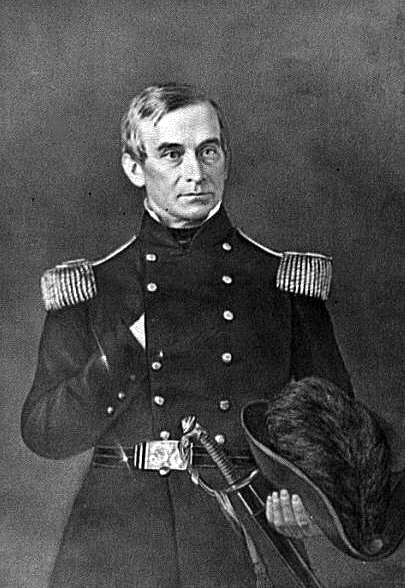
Major Robert Anderson
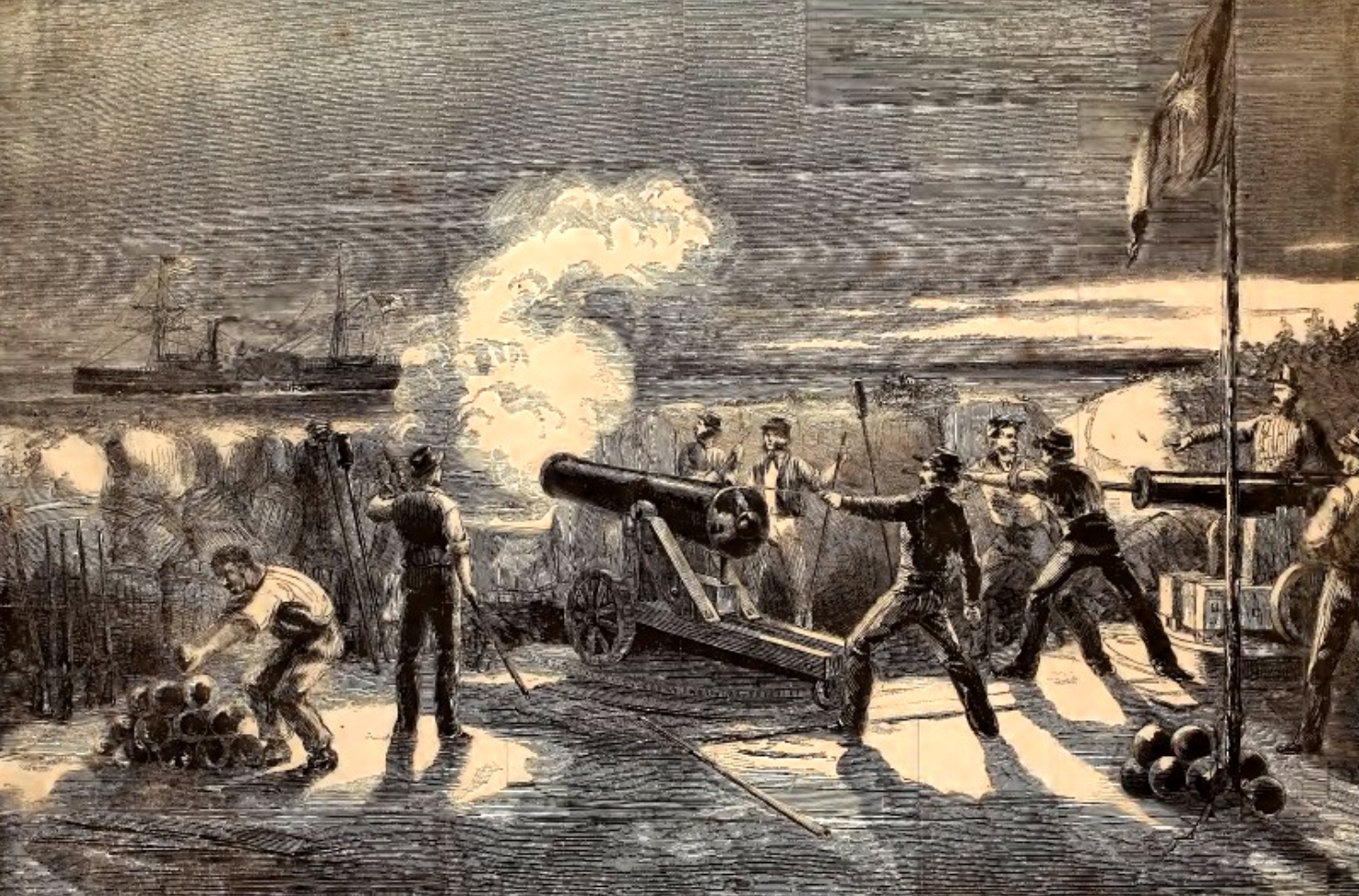
Harbor early in the morning of January 9th, steaming up the main ship channel near Morris Island, south of Fort Sumter, to avoid getting in range of the guns of Fort Moultrie, northeast of Sumter. But there was artillery on Morris Island, and it opened fire on the Star of the West.
Anderson’s troops inside Sumter manned their guns. The shots from Morris Island missed at first, but then one scored a hit on the side of the ship. As the Star of the West approached Sumter, it came within range of the guns at Fort Moultrie. The steamer came under a cross fire, and its captain broke off his approach to Sumter and headed back out to sea.
Inside Fort Sumter, Anderson pondered returning fire. But he believed that such an action would start a war, something he was not about to do on his own initiative. To the dismay—and anger– of many of his officers, Anderson ordered them to not return fire. The Star of the West steamed out to sea, and the South Carolinians ceased firing at it. No rounds were fired at Fort Sumter itself.
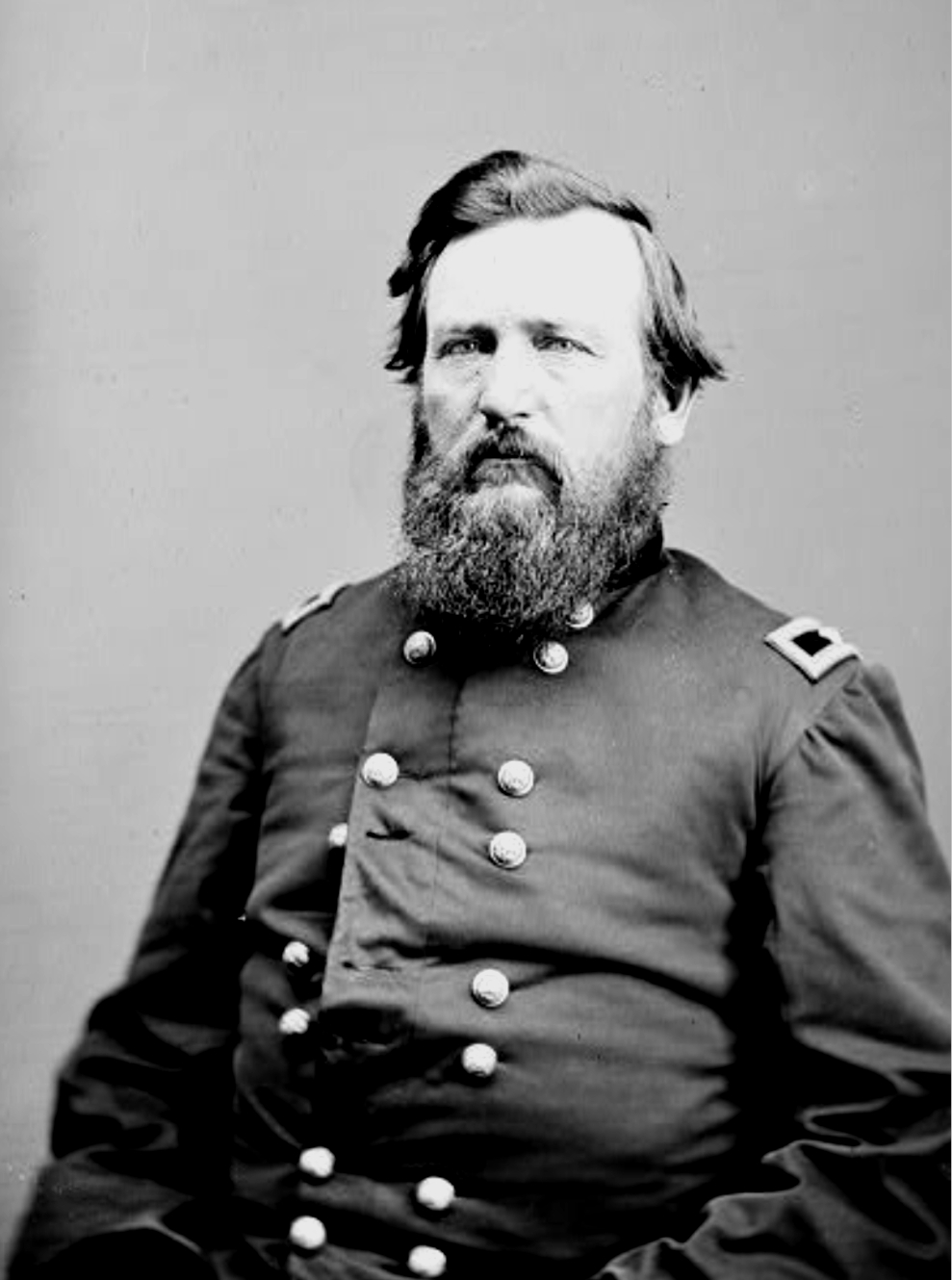
Lieutenant Charles R. Woods of the 9th U.S. Infantry was the officer in charge of the reinforcements on the Star of the West. Woods, who would rise to the rank of general and have a distinguished record during the Civil War, filed this report after the ship returned to New York:
Fort Columbus, N. Y. H.,
January 13, 1861.
Colonel: Pursuant to instructions, dated Headquarters of the Army, January 5, 1861, I embarked on the evening of Saturday, 5th instant, from Governor’s Island, at 6Charles R. Woods, as General later in the war
o’clock p. m., on a steam-tug, which transferred us to the steamer Star of the West.
My command consisted of two hundred men, recruits from the depot, fifty of whom were of the permanent party. My officers were First Lieut. W. A. Webb, Fifth Infantry; Second Lieut. C. W. Thomas, First Infantry, and Assist. Surg. P. G. S. Ten Broeck, Medical Department.
On Tuesday afternoon, 8th instant, arms and ammunition were issued to all the men. About midnight same evening we arrived off Charleston Harbor, and remained groping in the dark until nearly day, when we discovered the light on Fort Sumter, which told us where we were. The other coast light marking the approaches to the harbor had been extinguished, and the outer buoy marking the channel across the bar gone. During the night we saw what we supposed to be the light of a steamer cruising off the harbor, but she did not discover us, as our lights were all out. Just before day we discovered a steamer lying off the main ship channel. As soon as they made us out they burned one blue light and two red lights, and, receiving no response from us, immediately steamed up the channel. As soon as we had light enough we crossed the bar, and steamed up the main ship channel. This was on the first of the ebb tide, the steamer ahead of us firing rockets and burning lights as she went up. We proceeded without interruption until we arrived within one and three-quarter miles of Forts Sumter and Moultrie—they being apparently equidistant—when we were opened on by a masked battery near the north end of Morris Island. This battery was about five eighths of a mile distant from us, and we were keeping as near into it as we could, to avoid the fire of Fort Moultrie. Before we were fired upon we had discovered a red palmetto flag flying, but could see nothing to indicate that there was a battery there.
Firing on the Star of the West from Morris Island
We went into the harbor with the American ensign hoisted on the flagstaff, and as soon as the first shot was fired a full-sized garrison flag was displayed at our fore, but the one was no more respected than the other. We kept on, still under the fire of the battery, most of the balls passing over us, one just missing the machinery, another striking but a few feet from the rudder, while a ricochet shot struck us in the fore-chains, about two feet above the water line, and just below where the man was throwing the lead. The American flag was flying at Fort Sumter, but we saw no flag at Fort Moultrie, and there were no guns fired from either of these fortifications.
Finding it impossible to take my command to Fort Sumter, I was obliged most reluctantly to turn about, and try to make my way out of the harbor before my retreat should be cut off by vessels then in sight, supposed to be the cutter Aiken, coming down the channel in tow of a steamer, with the evident purpose of cutting us off. A brisk fire was kept up on us by the battery as long as we remained within range, but, fortunately, without damage to us, and we succeeded in recrossing the bar in safety, the steamer touching two or three times. Our course was now laid for New York Harbor, and we were followed for some hours by a steamer from Charleston for the purpose of watching us.
During the whole trip downward the troops were kept out of sight whenever a vessel came near enough to us to distinguish them, and the morning we entered the harbor of Charleston they were sent down before daylight, and kept there until after we got out of the harbor again. From the preparations that had been made for us I have every reason to believe the Charlestonians were perfectly aware of our coming.
Star of the West
We arrived in New York Harbor on the morning of the 12th instant, and disembarked at 8 o’clock this morning, the 13th, by orders from Headquarters of the Army.
The conduct of the officers and men under my command during the whole trip, and particularly while under fire, was unexceptionable.
Capt. John McGowan, commanding the steamer Star of the West, deserves the highest praise for the energy, perseverance, and ability displayed in trying to carry out his orders to put the troops in Fort Sumter. He was ably assisted by Mr. Walter Brewer, the New York pilot taken from this place.
I am, colonel, very respectfully, your obedient servant,
CHAS. R. WOODS,
First Lieutenant, Ninth Infantry, Commanding.Col. L. Thomas,
Assistant Adjutant-General, U. S. A., Washington. D.C.
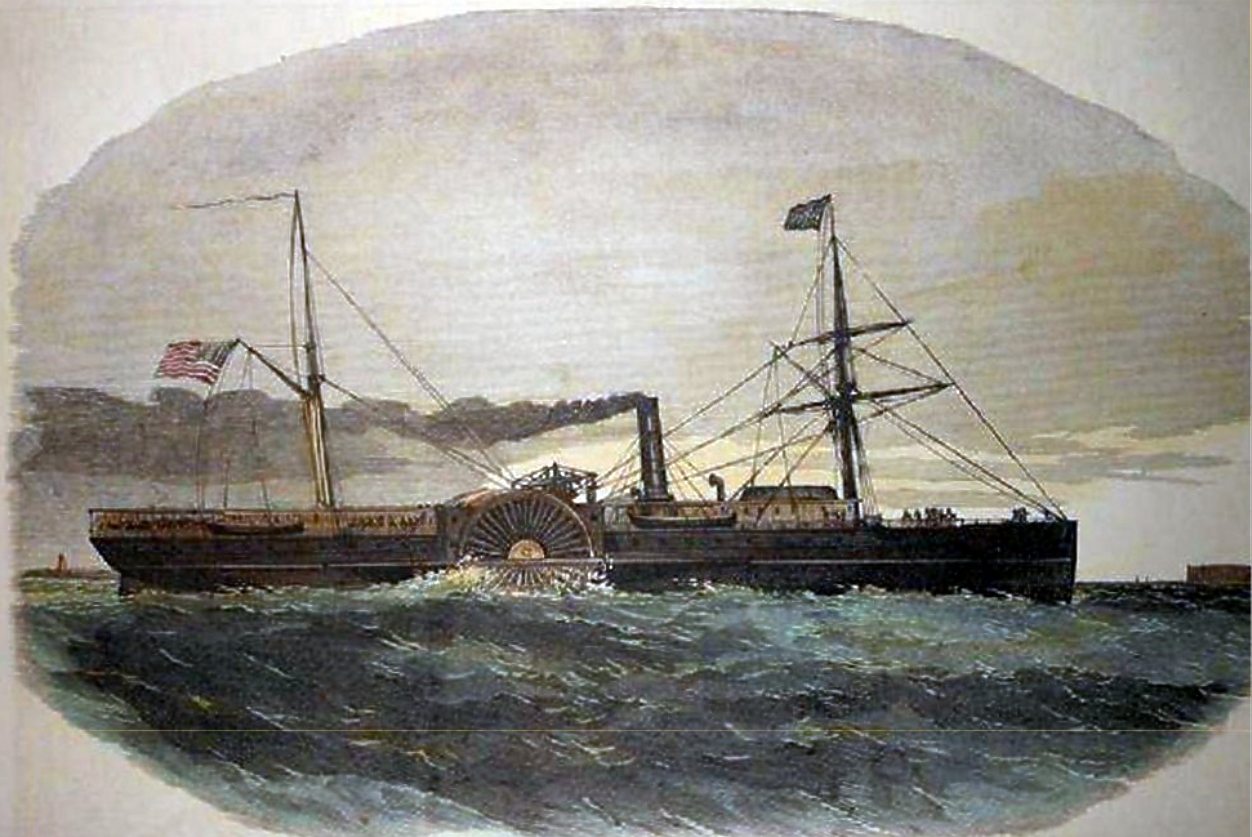
An uneasy truce took hold between the Fort Sumter garrison and the city of Charleston after the Star of the West incident. Neither side was prepared for war to begin that day; although some actions were being taken by secessionists in what would become the Confederacy, only South Carolina had seceded. Others soon followed. On April 12th, following a rejected surrender demand, the new Confederacy fired on Fort Sumter, and the Civil War was on.
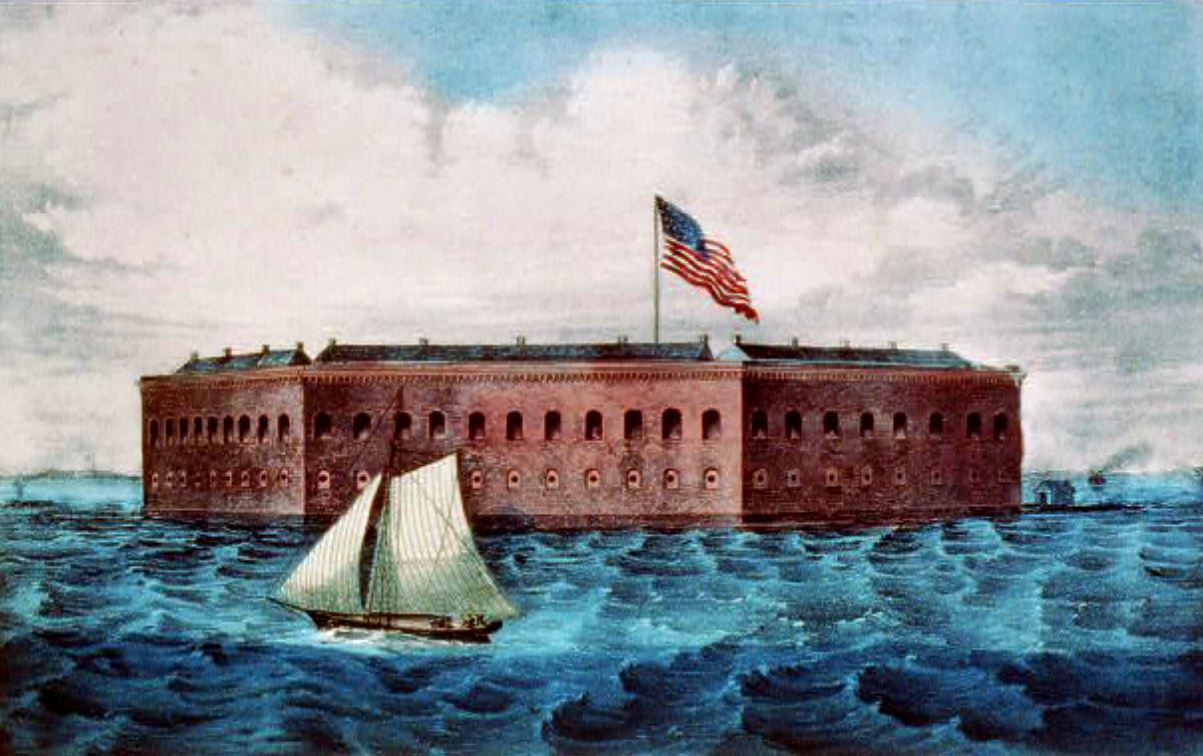
Fort Sumter by Currier and Ives
Sources:
Battle Cry of Freedom by James McPherson
The Coming Fury by Bruce Catton
“From Moultrie to Sumter” by Abner Doubleday. In Battles and Leaders of the Civil War, Volume I, edited by Robert Underwood Johnson and Clarence C. Buel
“Inside Sumter in ’61” by James Chester. In Battles and Leaders of the Civil War, Volume I, edited by Robert Underwood Johnson and Clarence C. Buel.
Official Records of the Union and Confederate Armies in the War of the Rebellion, Series I, Volume I
Amazon affiliate links: We may earn a small commission from purchases made from Amazon.com links at no cost to our visitors. For more info, please read our affiliate disclosure.


