The Jennie Wade House Preserves the Location of the Only Known Civilian Killed by Gunfire at the Battle of Gettysburg
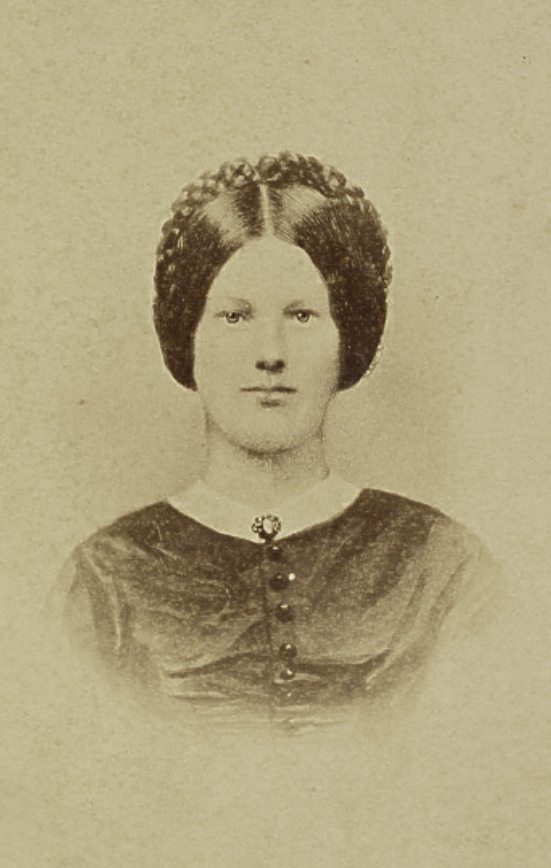
Jennie Wade
The July 1st-3rd, 1863 Battle of Gettysburg resulted in approximately 56,000 casualties, including over 7,000 dead, in total for both armies. But despite the battle raging in and around the town that resulted in those enormous numbers and how much lead was flying through the air, there is only one known civilian killed by gunfire during the battle. That civilian was 20 year old Mary Virginia “Jennie” Wade.
On June 26th, a few days before the battle Jennie Wade’s sister, Georgia Wade McClellan, gave birth to her first child. Georgia’s husband John had enlisted in the Union Army and was elsewhere. After the birth, Georgia was on bedrest with her newborn son, Louis, in the McClellan home at 548 Baltimore Street with Jennie and their mother Mary Anne coming over to care for them. On July 1st, with the battle underway, Jennie and Mary Anne moved into Georgia’s home to continue to care for her and avoid the fighting as much as possible.
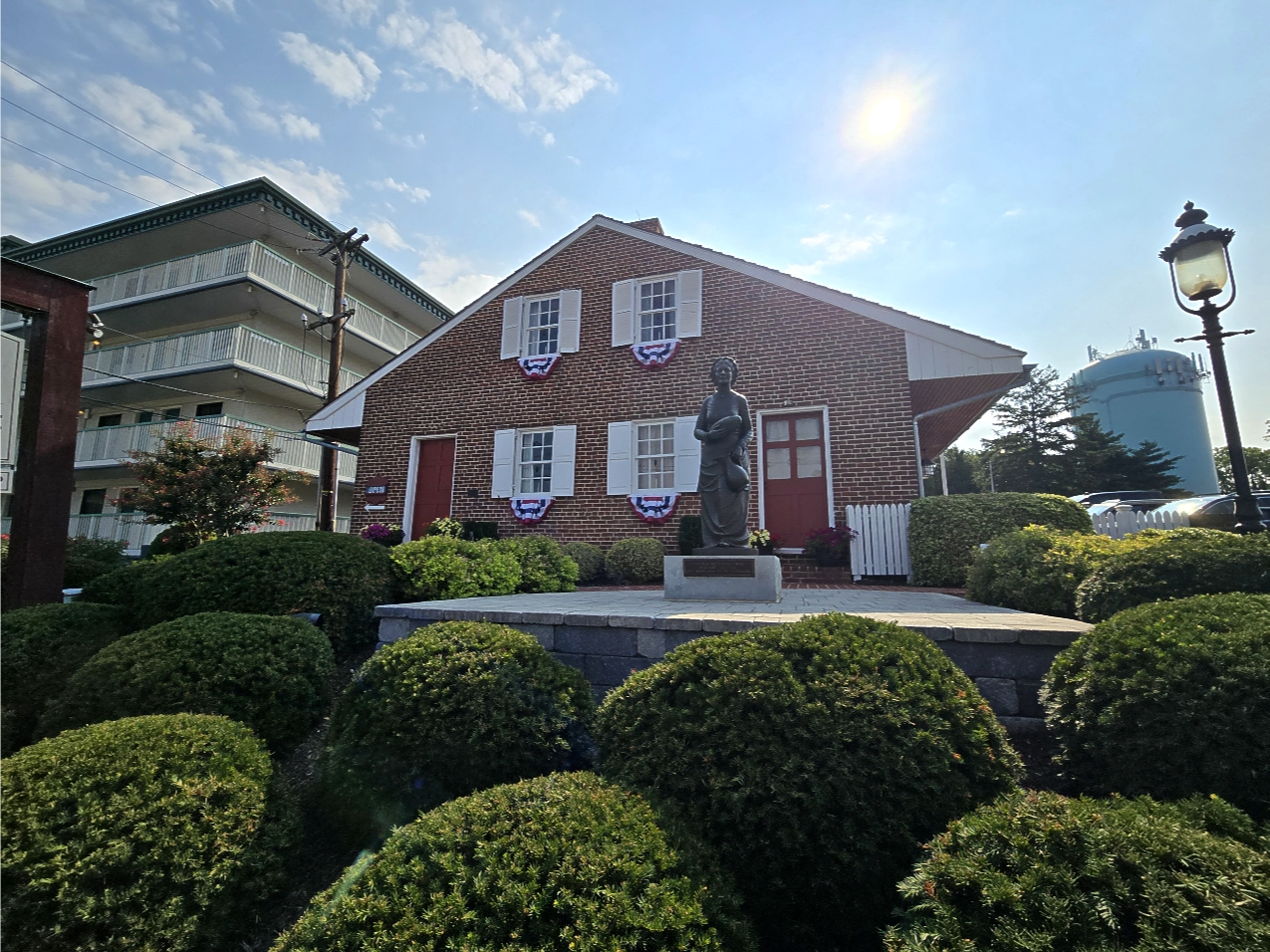
Jenny Wade House, Gettysburg PA
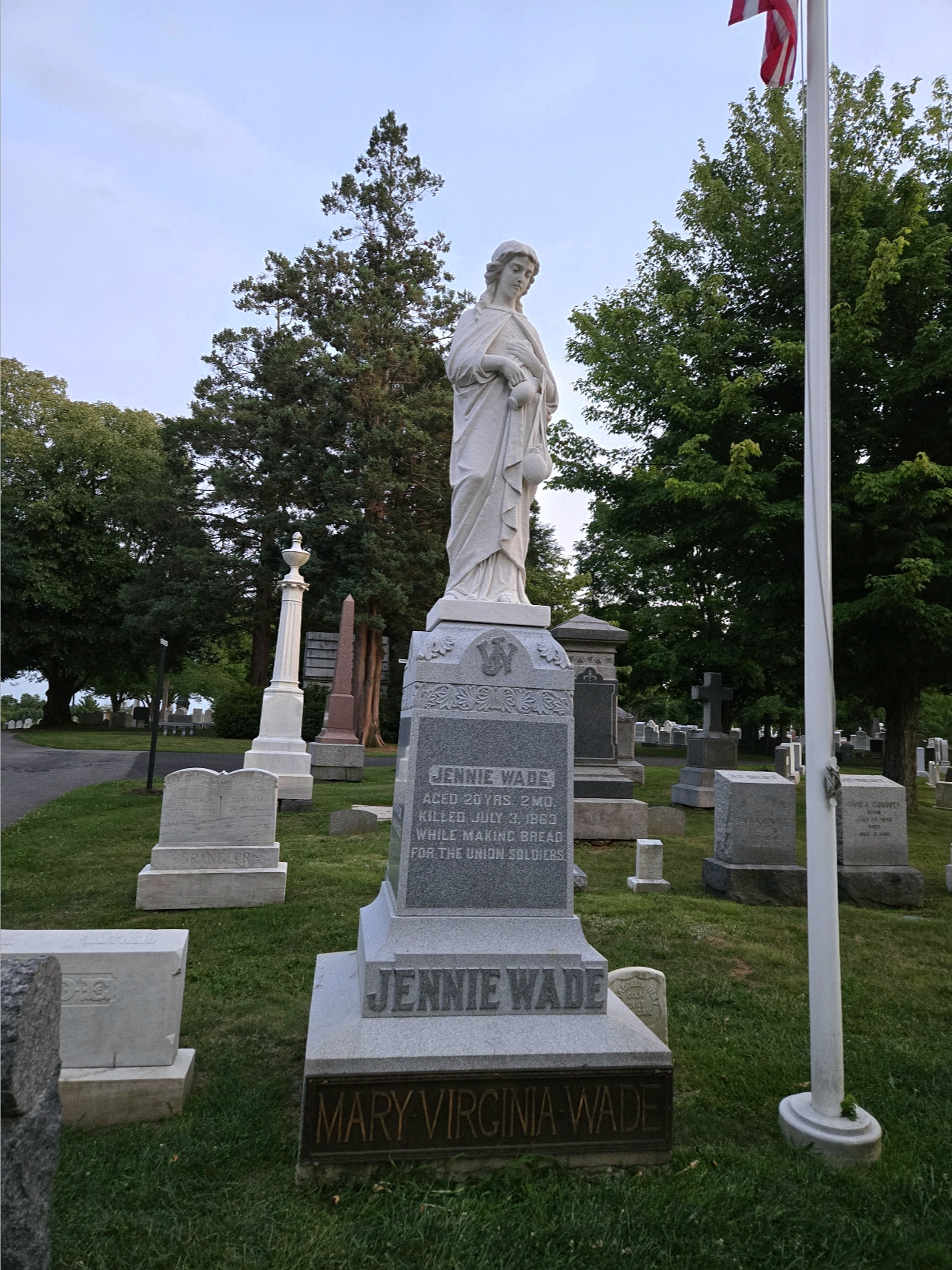
Jennie Wade’s Grave, Evergreen Cemetery, Gettysburg
Union soldiers were around the house, which attracted Confederate fire. The house was hit by approximately 150 rounds, including an artillery shell that struck the roof but did not explode. Despite the danger, Jennie and Mary Anne provided the soldiers with food and water. On the morning of July 3rd, Jennie was in the kitchen kneading bread dough to feed the U.S. troops when a bullet passed through the outside door and then an inside door before striking Jennie in the shoulder blade and lodging in her heart, killing her instantly. Soldiers moved her body to the cellar and she was eventually buried in an adjacent garden. Jennie’s body would be moved to a church cemetery in November, and eventually to Evergreen Cemetery, only a quarter mile or so away from where she was killed. An American flag flies over her grave 24 hours a day, one of only two women so honored. The other is Betsy Ross.
Mary Anne finished up with the bread dough Jennie had been kneading, providing 15 loaves for the Union soldiers.
Visiting the Jennie Wade House Museum
In 1901, James A Kitzmiller and his family, and Robert C. Miller, who had occupied the two story brick duplex after the war, established the site as a museum. They had also preserved much of the furniture and other items in the house from that time. These include Georgia’s bed, which had been hit by a bullet while she was in it and the bread box that Jennie used. The doors the fatal bullet passed through are still there complete with the bullet holes. Floors and stairs are original.
-
- Jennie Wade House exterior door. Large bullet hole on right is probably from the fatal shot.
-
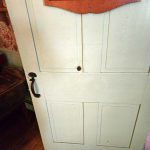
- Jennie Wade House kitchen door with hole from fatal shot
-
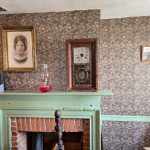
- Interior of Jennie Wade House, with bullet holes in fireplace mantle
The Jennie Wade House Museum is open for tours from March through December, but are limited in May and June due to scheduled school field trips. Tours are ticketed (with an admission charge), led by knowledgeable guides, and are limited to 16 participants per tour. Tickets are available at the Jenny Wade Gift Shop next door, and at the museum’s website. Free parking is available in a lot adjacent to the museum.
Amazon affiliate links: We may earn a small commission from purchases made from Amazon.com links at no cost to our visitors. For more info, please read our affiliate disclosure.


